Billy wallson
Senior DirectorMost gardens are designed for the eye alone — but a border built around fragrance changes how you move through it, and when.
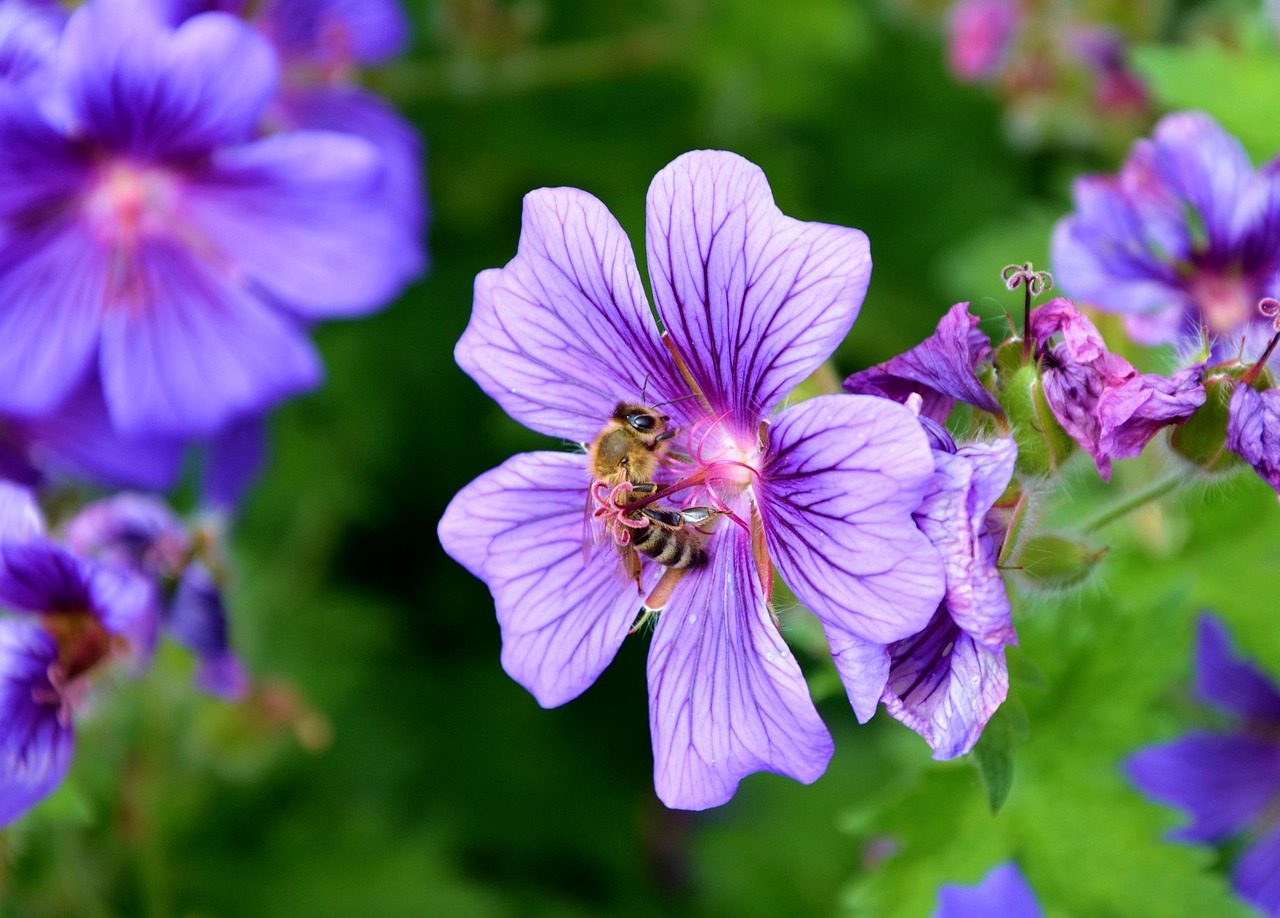
There's a plant in my garden that I would never describe as beautiful. It's a scrappy native perennial with ragged leaves, an awkward sprawling habit, and flowers that last about four days. Every spring I consider digging it out. Every summer I'm glad I didn't. It's covered in bees from June to August, it feeds a caterpillar I can't identify, and it fills a gap in the border that nothing else seems to want. It's not pretty. It's essential.
Gardeners are trained, by magazines and nurseries and Instagram, to value plants for how they look. That's fair — gardens are visual spaces, and we want them to be lovely. But the most interesting gardens I've visited are the ones where beauty isn't the only criterion. Where a plant earns its place by what it does, not just how it photographs.
Native plants get a reputation for being weedy, and some of them are. But a lot of the ones dismissed as ugly are doing quiet, valuable work. They host caterpillars that become butterflies. They provide nectar at times of year when nothing else is blooming. They build soil, hold moisture, and support the insects that feed the birds. In a garden that's designed only for human eyes, all of that goes missing.
The trick is placement. A plant that looks scruffy in the middle of a formal border will look perfectly at home at the back, where its messy habit is hidden by taller neighbours, or in a wilder corner where it can sprawl without apology. Goldenrod, joe-pye weed, and ironweed are all tall, slightly untidy, and absolutely covered in pollinators. Put them behind neat grasses and they read as part of a designed scheme rather than a weed patch.
Some of the best pairing advice I've ever received is to treat native plants like any other plant — give them a role. If a plant is a pollinator magnet, put it where you'll see the pollinators. If it's a larval host, put it where the caterpillars won't be disturbed. If it self-seeds enthusiastically, give it room to do so. The ugliness, if there is any, becomes part of the texture of the garden rather than a flaw.
None of this means abandoning beauty. It means expanding the definition. A garden can be polished and still support life. You can have roses and goldenrod. You can have clipped hedges and a wild corner. The two aren't enemies — they're just different jobs, and a good garden does both.
Start small. Pick one plant that's native to your area and slightly unglamorous, and give it a place. Watch what visits it. Notice how it behaves through the seasons. You might find, as I did, that the plant you nearly dug out is the one holding the whole border together — not visually, but ecologically. And that's a kind of beauty that doesn't show up in a photo, but you feel it every time you sit outside.

Self-seeding plants are often treated as weeds. In the right garden, they are the closest thing to free design.

Some plants broadcast their needs before they fail — learning to read those signals is the fastest way to a garden that actually thrives.
Some plants broadcast their needs before they fail — learning to read those signals is the fastest way to a garden that actually thrives.

Most gardens are designed for the eye alone — but a border built around fragrance changes how you move through it, and when.

Most gardens are designed for the eye alone — but a border built around fragrance changes how you move through it, and when.

Pots don't have to be annual-only — with the right plants and a little winter care, containers can be permanent features.

Copyright © 2026 Foxglove Front. All Rights Reserved.


Roseanne Williams
Sep 2, 2026 ReplyNot every plant earns its place with beauty — some earn it with what they do for everything else.