Billy wallson
Senior DirectorPots don't have to be annual-only — with the right plants and a little winter care, containers can be permanent features.
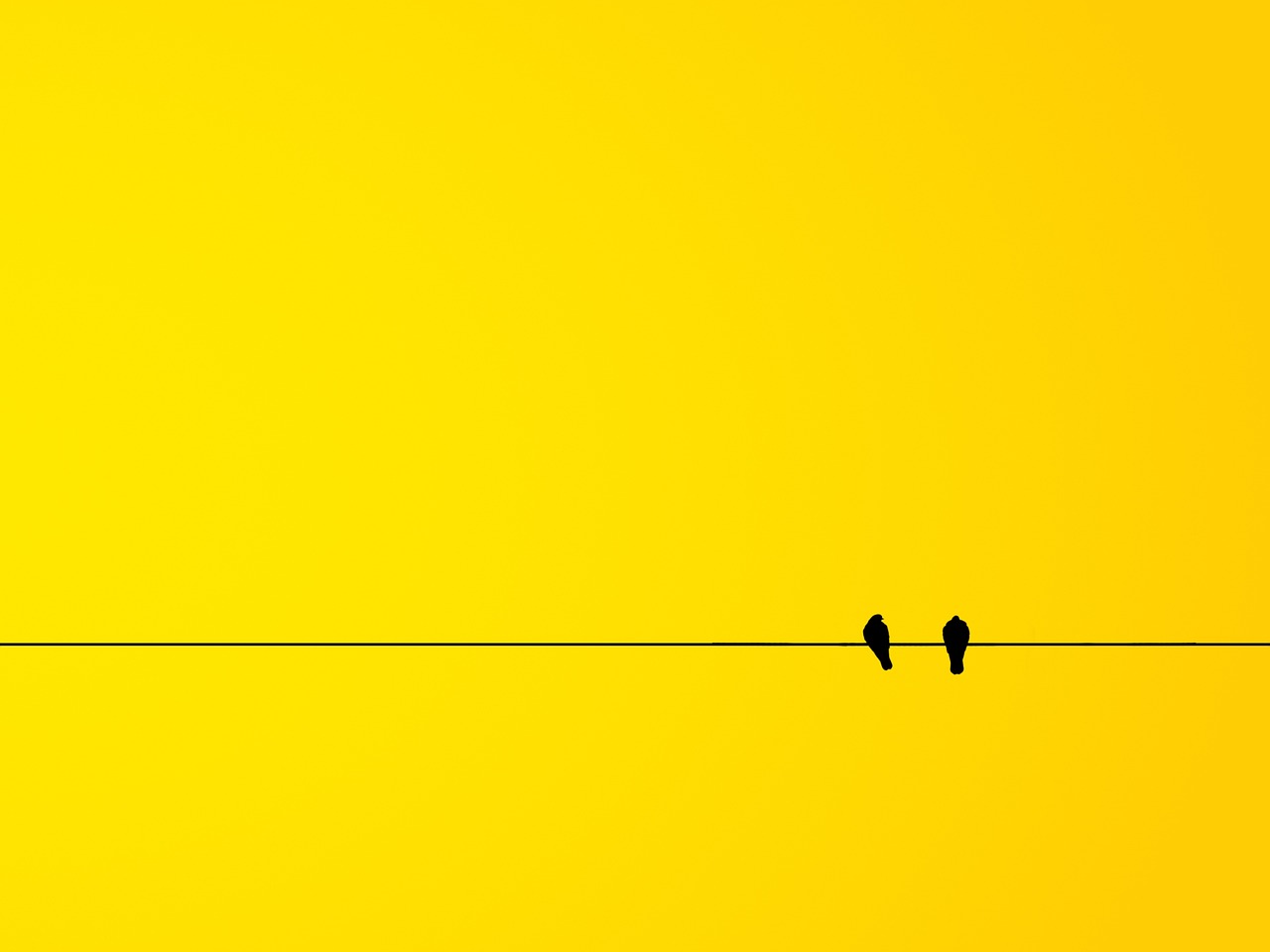
New gardeners plant too much. I know this because I did it, and because I've watched nearly every gardener I know do the same. The instinct is to fill every gap, to cover every inch of bare soil, to make the garden look established as quickly as possible. It feels like progress. It usually isn't.
The problem is that plants grow. That little perennial that looks so charming with six inches of space around it will, in two years, be shoving its neighbours aside. The shrub you planted as a modest backdrop will double in size. The gap you were so eager to fill will close on its own, and when it does, you'll wish you'd left more room.
In garden design, negative space does the same job it does in painting or photography — it gives the eye somewhere to rest. A border packed with colour and texture is exhausting to look at. A border with space between plants lets each one register as an individual. You notice the shape of a leaf, the curve of a stem, the way a flower sits against the sky. Crowd it all together and those details disappear.
Space also creates rhythm. A repeated gap between plantings can lead the eye along a path or draw attention to a focal point. It can separate one colour scheme from another, or mark a transition from formal to informal. Without gaps, a garden becomes a wall of green — pleasant enough, but flat. With them, it becomes a sequence of moments.
And there's a practical side. Gaps allow air to move, which reduces fungal disease. They let light reach lower leaves, which keeps plants healthier. They give you room to weed, to mulch, to plant bulbs for spring. A garden with gaps is easier to work in and easier to change. A garden that's full to bursting is a garden you can't edit.
The discipline is hard, especially in spring when everything looks small and the beds look bare. But it's worth practising. Plant at the recommended spacing, or wider. Resist the urge to fill a gap with something that will outgrow it. If you must fill it, use annuals or bulbs — plants that will be gone by the time the perennials need the room.
Think of your garden as a ten-year project, not a one-season one. What looks sparse now will look generous in three years. What looks full now will look overcrowded. The gardener who plants for the future leaves space on purpose, knowing it will be filled by growth rather than by more plants.
This doesn't mean bare soil everywhere. It means intentional space — gaps that are part of the design, not accidents. A gravel path that runs between plantings. A mulch circle around a young tree. A deliberate pause between two groups of perennials. These gaps aren't empty. They're doing work.
The best gardens I've visited all share one quality: you can see through them. You can see the soil, the structure, the bones of the design. They're not hiding behind foliage. They're showing themselves. And that only happens when the gardener had the confidence to leave room.

Not every plant earns its place with beauty — some earn it with what they do for everything else.

Not every plant earns its place with beauty — some earn it with what they do for everything else.
Pots don't have to be annual-only — with the right plants and a little winter care, containers can be permanent features.

Filling every square inch feels productive, but leaving room to breathe is what separates a collection from a composition.

Pots don't have to be annual-only — with the right plants and a little winter care, containers can be permanent features.

Tall, tubular blooms turn a flat border into a layered landscape — here's how to use foxgloves as architectural anchors without letting them steal the whole show.

Copyright © 2026 Foxglove Front. All Rights Reserved.


Roseanne Williams
Sep 2, 2026 ReplyFilling every square inch feels productive, but leaving room to breathe is what separates a collection from a composition.